
Sleep hygiene: usefulness and limitations
Sleep hygiene encompasses habits and environmental conditions that may support more regular sleep. It is useful as general guidance—for example, for organizing schedules and reducing factors that interfere with rest—but should not be confused with a complete treatment for insomnia. This article explains what may help, where the limitations lie, and when it is worth seeking an individual assessment.
What sleep hygiene can offer
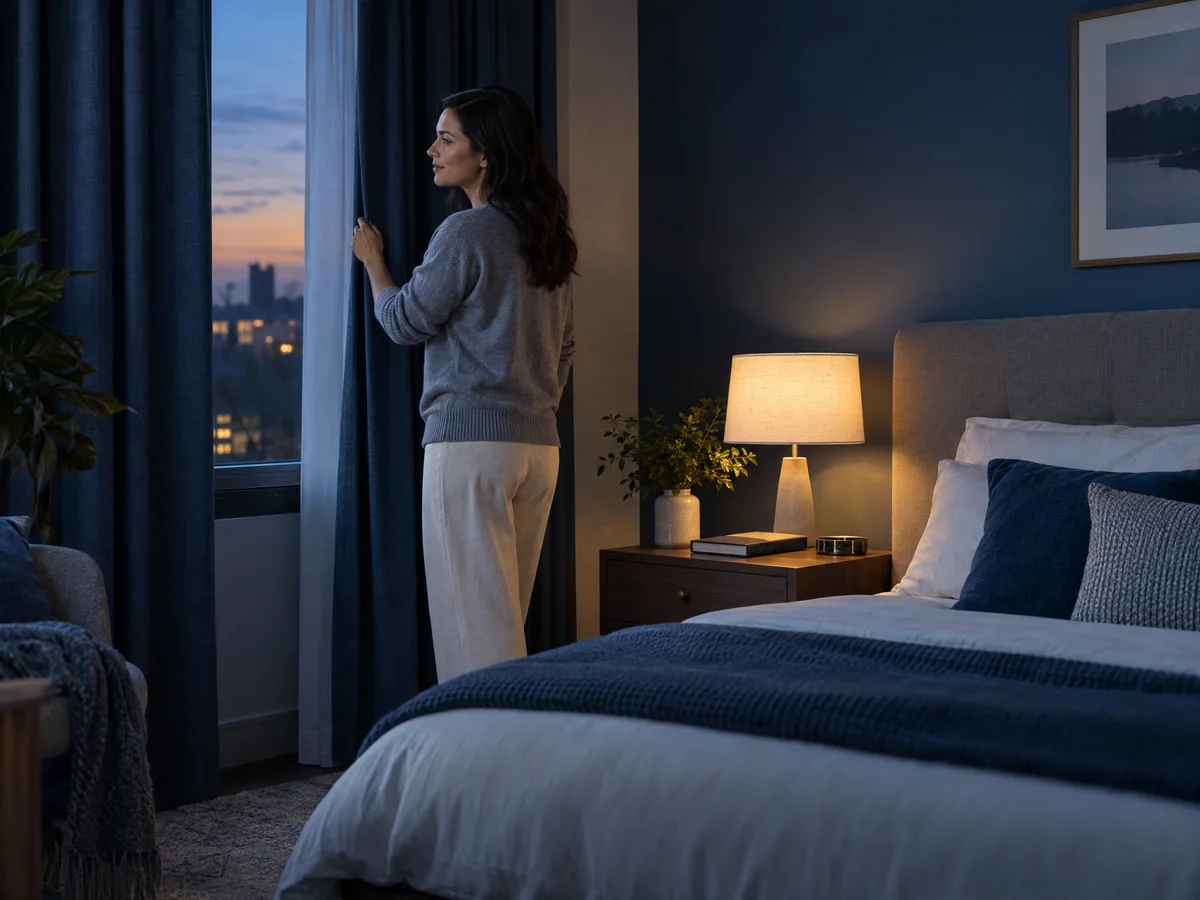
Some measures are consistent with NHLBI guidance on healthy sleep habits: keeping relatively consistent bedtimes and wake-up times; setting aside the hour before sleep for quiet activities; and ensuring that the bedroom is quiet, cool, and dark. It may also be helpful to avoid bright artificial light and vigorous exercise close to bedtime, large meals in the period before bed, as well as nicotine, caffeine, and alcoholic beverages at night.
These recommendations do not need to become a rigid list of rules. The aim is to observe which conditions support sleep and establish a manageable routine, without turning bedtime into a performance test. Responses vary, and a bad night does not, by itself, mean that a disorder is present.
Where the limitations lie
Sleep hygiene can be part of sleep education and broader approaches. However, the American Academy of Sleep Medicine (AASM) guideline suggests not using it as the sole intervention for chronic insomnia in adults. The 2023 European Insomnia Guideline recommends cognitive behavioral therapy for insomnia as first-line treatment, following an appropriate assessment. This does not mean that techniques should be started on your own or that everyone needs the same approach.
Signs and assessment
Difficulty falling asleep, repeated awakenings, or waking earlier than desired, accompanied by daytime fatigue, sleepiness, irritability, or difficulty concentrating, deserve attention. The AASM describes chronic insomnia as a problem that occurs at least three times a week for three months, with daytime consequences; even so, these signs alone do not confirm a diagnosis.
Assessment usually begins with a discussion about sleep, health, and current medications, and may include questionnaires and a sleep diary. The European guideline indicates additional tests when there is a clinical reason, including when another sleep disorder is suspected. An online test or a list of habits does not replace this assessment.
Frequently asked questions
Does sleep hygiene cure insomnia?
Not necessarily. It may remove obstacles and support other measures, but on its own, it is not recommended as a treatment for chronic insomnia. Persistent symptoms or an impact on daily life warrant a discussion with a qualified professional.
Is there one rule that matters most?
There is no universal rule. Regular schedules and a favorable environment are common starting points, but guidance needs to take into account each person’s history, symptom pattern, and the possibility of other disorders.
In summary
Sleep hygiene is a supportive tool, not a promise of a cure or a substitute for diagnosis. If difficulties persist, affect daytime functioning, or raise concerns about another sleep problem, seek an individual assessment in Sleep Medicine. The aim is to understand the cause and discuss options appropriate to the case, without self-diagnosis or a standardized plan.
Sources consulted
- Healthy Sleep Habits — National Heart, Lung, and Blood Institute (NHLBI)
- Behavioral and psychological treatments for chronic insomnia disorder in adults: an American Academy of Sleep Medicine clinical practice guideline
- The European Insomnia Guideline: An update on the diagnosis and treatment of insomnia 2023
This content is educational and does not replace an individual medical assessment.