
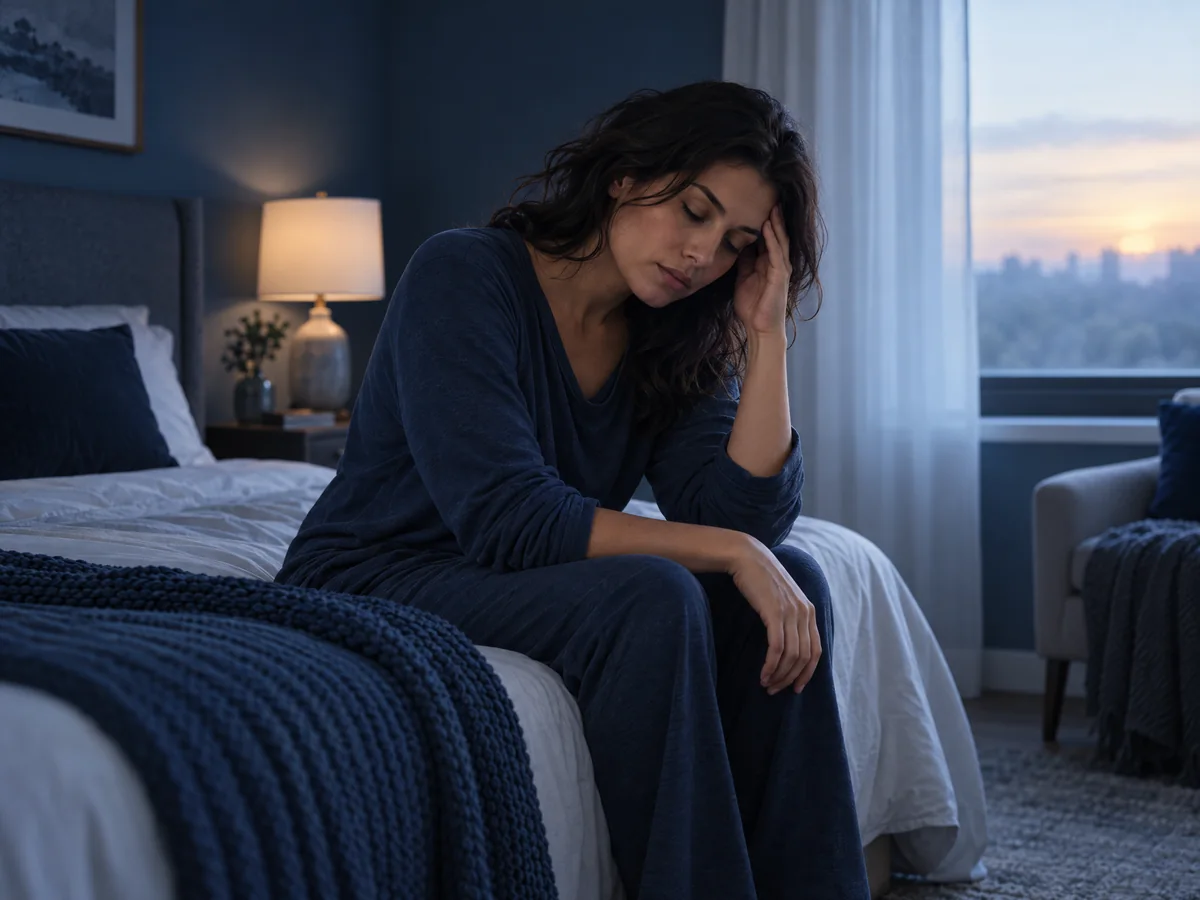
Obstructive sleep apnea can go unnoticed in women because it does not always present as loud snoring and observed pauses in breathing. Fatigue, insomnia, frequent awakenings, daytime sleepiness, and headaches on waking also deserve attention. Individual assessment helps distinguish these signs from other causes and determine whether a sleep study is needed.
Signs that deserve attention
According to the NHLBI, part of the United States National Institutes of Health, women may report tiredness, daytime sleepiness, insomnia, anxiety, depressive symptoms, morning headaches, and fragmented sleep. The NHLBI also describes the general signs of sleep apnea, such as breathing that stops and starts again, frequent snoring, choking, and waking to urinate. Snoring or pauses noticed by another person are clues, but their absence does not rule out the possibility.
Life circumstances matter. Risk may increase during pregnancy and during or after menopause, partly because of hormonal changes. Since menopause can also cause insomnia, headaches, and fatigue, the symptoms may overlap. A review on the assessment of sleep apnea in female patients highlights that this less typical presentation may delay recognition. It is therefore worth mentioning pregnancy, menopause, recent changes in sleep, current medications, and known medical conditions during the consultation.
When to seek assessment
Seek medical care if symptoms are persistent, if tiredness or sleepiness affects daytime functioning, if there is frequent snoring or nighttime choking, or if someone observes interruptions in breathing. Sleepiness while driving or in passive situations deserves particular attention.
How the assessment is carried out
The consultation begins with a detailed history: sleep routine and quality, sleep schedules, awakenings, snoring, nighttime symptoms, sleepiness, general health, family history, and risk factors. A sleep diary can supplement this information. The healthcare professional may also consider other causes of fatigue, insomnia, or headaches and, when appropriate, request tests for associated conditions.
Confirmation should not be based on an online test or a questionnaire alone. The American Academy of Sleep Medicine (AASM) guideline recommends that clinical tools not be used to diagnose sleep apnea without polysomnography or a home sleep apnea test. Polysomnography is the standard test. In adults without complicating medical conditions and with signs indicating a higher risk, home testing may be an option when technically adequate and overseen by a qualified professional.
If the home test is negative, inconclusive, or technically inadequate, the AASM recommends polysomnography. In situations such as significant cardiorespiratory disease, suspected hypoventilation, chronic opioid use, a history of stroke, or severe insomnia, polysomnography is preferred. The choice depends on the clinical presentation and clinical judgment, rather than a single rule.
Frequently asked questions
Does snoring have to be present?
No. It is common, but women may seek help mainly because of insomnia, tiredness, headaches, or awakenings.
Does a questionnaire confirm sleep apnea?
No. Questionnaires can help identify risk, but they do not replace assessment and the indicated test.
If there are signs consistent with sleep apnea, especially during higher-risk stages of life, an individual assessment by a healthcare professional can clarify the cause and guide the next steps. Do not try to interpret an isolated result or replace a consultation with an online test.
Sources consulted
- Sleep Apnea and Women — NHLBI/NIH
- Sleep Apnea Symptoms — NHLBI/NIH
- Clinical Practice Guideline for Diagnostic Testing for Adult Obstructive Sleep Apnea — AASM
- Evaluation of Obstructive Sleep Apnea in Female Patients in Primary Care: Time for Improvement?
This content is educational and does not replace an individual medical assessment.